Beach Ball Pattern: A Designer's Real-World Review
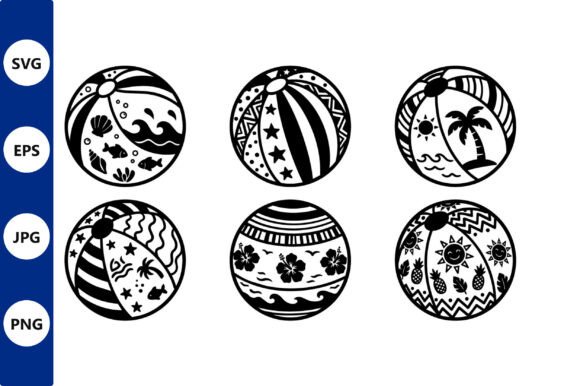
As a designer who has spent years translating digital files into tangible thread, I approach every new asset with a mix of excitement and skepticism. When I first opened the Beach Ball Pattern, my immediate reaction was to look past the screen and imagine how these lines would translate under a needle. This set of black and white beach ball designs featuring waves, shells, palm trees, stars, and suns in vector line art is not just another clipart file; it is a collection of distinct decorative patterns that demand a specific kind of handling. Each sphere shows distinct decorative patterns suitable for t-shirts, posters, and graphics, but for us working in textiles, the question is always about stitch integrity and visual impact.
The First Impression: Mood and Visual Personality
The aesthetic here is crisp, retro, and undeniably summery without being cluttered. The use of vector line art gives the design a clean skeleton, which is promising for embroidery. Unlike dense, photo-realistic illustrations that often struggle with thread definition, this Illustrations category piece relies on bold outlines and negative space. For an embroidery project, this is a breath of fresh air. The mood it creates is playful yet sophisticated, perfect for a boutique brand looking to elevate its summer collection. The distinct spheres offer a modular feel, meaning you can use one as a focal point or repeat them for a border effect on a tote bag or apron.
However, the black and white nature of the source file requires a strategic approach to color. In the world of machine embroidery design, we rarely stick to monochrome unless it is a stylistic choice. The beauty of this Graphics set lies in its versatility. You could execute the entire design in a single vibrant coral thread against a navy sweatshirt, or break down the individual elements—like the palm trees and shells—into different pastel shades for a baby item. The visual personality is strong enough to stand alone, but flexible enough to be adapted for various thread colors.
Testing the Waters: A Real-Life Project Scenario
Let me walk you through a recent scenario where I considered using this pattern. I was preparing a custom embroidered tote bag for a local beachwear shop owner. She wanted something that screamed "summer" but didn't look like a cheap souvenir. I loaded the Beach Ball Pattern into my digitizing software to see how the lines would hold up. My goal was to create a large, central motif on a canvas tote.
Initially, I worried about the density. Vector line art can sometimes result in a running stitch that feels too light or a fill stitch that becomes too heavy if not managed correctly. As I reviewed the layout, I noticed that the intricate details inside the spheres—specifically the waves and stars—would require careful attention to stitch density. If the density is too high, the fabric might pucker; too low, and the design will look unfinished. I decided to test the design on scrap fabric first, using a medium-weight stabilizer to ensure the lines remained sharp. The result was promising: the bold outlines translated beautifully into satin stitches, giving the design a professional sheen that immediately elevated the value of the finished product.
Where This Design Shines
This pattern is a powerhouse for several specific applications. It works exceptionally well for custom apparel where you want a statement piece. Imagine a sweatshirt embroidery placement on the back, utilizing two or three of the beach balls in a scattered arrangement. The scale allows the details to breathe, ensuring that even from a distance, the theme is clear. It is also ideal for embroidered patches. Because the design features distinct spheres, each ball can become a standalone patch for denim jackets or backpacks.
For the Etsy seller or small shop owner, this design offers great potential for personalized gifts. You could add a name or date within the negative space of a wave or shell, turning a generic graphic into a unique keepsake. It fits perfectly into the realm of baby embroidery for onesies or bibs, provided the colors are softened. Furthermore, the linear style makes it an excellent candidate for kitchen towels or pillow covers, adding a touch of coastal charm to home decor without overwhelming the space.
Navigating Challenges: Where Caution is Needed
While I am enthusiastic about the Beach Ball Pattern, practical experience dictates that we must be mindful of certain limitations. This is not a design meant for every surface. Small hoop sizes are a definite no-go. The intricate details of the palm trees and stars will get lost if you try to shrink the design down to fit a 4x4 inch hoop. The hoop size needs to be large enough to accommodate the complexity of the vector lines without sacrificing clarity.
Fabric texture is another critical factor. On highly textured fabrics like terry cloth or heavy denim, the fine lines of the vector art might get swallowed by the weave. I recommend testing on similar material before committing to a client order. Similarly, stretchy fabrics require extra care. The tension needed to pull those crisp lines through a knit fabric can cause distortion if the wrong stabilizer isn't used. Dark fabrics present their own challenge; while the design is black and white in the file, stitching dark thread on dark fabric requires a very high contrast plan, perhaps using a white underlay or a bright accent color to make the finished product pop.
Curved surfaces, such as caps, also demand caution. The spherical shape of the beach balls might conflict with the curve of a cap panel, leading to puckering or misalignment. It is best suited for flat surfaces or areas with gentle curves. Additionally, avoid placing this design in areas that will undergo frequent washing or abrasion, as the delicate line work could fray over time if not secured properly with a quality backing.
Professional Notes for the Maker
If you decide to incorporate the Beach Ball Pattern into your business, here are my essential notes for success. First, always check the licensing. While this is listed as a set of design assets, confirm whether you are allowed to sell the physical items you create or if there are restrictions on commercial embroidery. Second, do not skip the mockup phase. Create a printable mockup to visualize how the design sits on the actual garment. Compare light and dark fabric backgrounds to see how the contrast affects the perceived detail.
When converting this digital embroidery file into a real project, pay close attention to the thread colors. Even though the source is monochrome, your choice of thread will define the final mood. Test the design on scrap fabric to verify the stitch density and ensure there are no gaps in the fill areas. Inspect small details closely; sometimes what looks good on a monitor reveals jagged edges when stitched. Finally, consider how this design fits into your overall brand consistency. Does it align with the other handmade products you sell? Is it recognizable enough to build customer trust?
Final Verdict on Value and Appeal
The Beach Ball Pattern is a versatile tool for the modern maker. It bridges the gap between simple clipart and complex illustration, offering a balance that is rare in the market. Its ability to transform a basic tote bag design or a plain holiday gift into a premium item is undeniable. However, its success relies entirely on the skill of the embroiderer and the appropriateness of the application. Used correctly, with the right fabric, stabilizer, and thread choices, it delivers a high level of professionalism and buyer engagement. For those looking to expand their craft business with summer-themed goods, this is a strong contender for your next collection. Just remember to respect the details, test thoroughly, and let the thread do the talking.